When to call right now
Some problems can wait for a convenient day. These cannot:
- A burning or hot plastic smell from an outlet, switch, fixture or the panel
- Smoke, sparks or scorch marks
- An outlet, switch plate or breaker that feels hot
- A panel that buzzes, crackles or hums loudly
- Water in or near the panel, outlets or fixtures
- A breaker that trips the instant you reset it
- Part of the house suddenly without power, or lights that go very dim or very bright
What to do while you wait. If there is smoke or fire, get everyone out and call 911. If it is safe to reach, turn off the breaker for the affected circuit, or the main breaker. Do not touch anything that is wet or damaged. Then call us. Reef answers 24/7 for emergencies.
Common repairs
Tripping breakers. A breaker trips because of an overload, a short or a ground fault. We find out which, and why. The cause might be too much on one circuit, a damaged cord or appliance, a failing breaker, or a fault in the wiring.
Dead outlets. Often a tripped GFCI somewhere upstream. Sometimes a loose connection that has burned through, a backstabbed outlet that let go, or a damaged wire.
Flickering and dimming lights. One flickering fixture usually means a bulb, dimmer or connection problem at that light. Lights flickering across the house, or dimming hard when something big starts, can point to a loose connection at the panel or the service. That deserves a prompt look.
Warm or buzzing devices. Heat at an outlet or switch means resistance, and resistance means a connection that is failing. These get worse until they fail.
Partial power. If half the house is out and the rest is dim, check with the utility first. If their side is fine, the problem is likely at your meter, main breaker or panel.
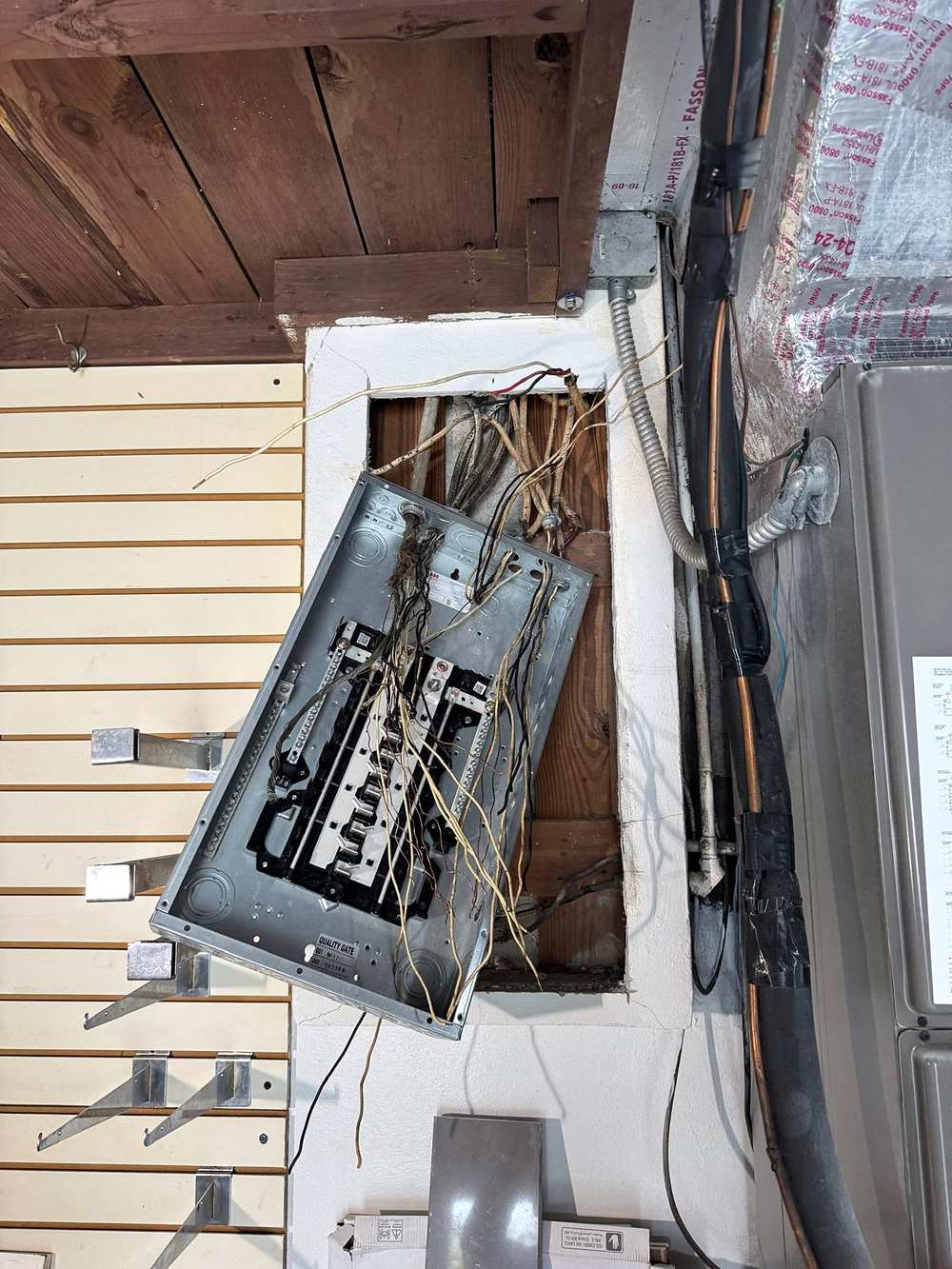
Damaged wiring. Nails and screws from a renovation, rodents in the attic, or brittle insulation in older homes.
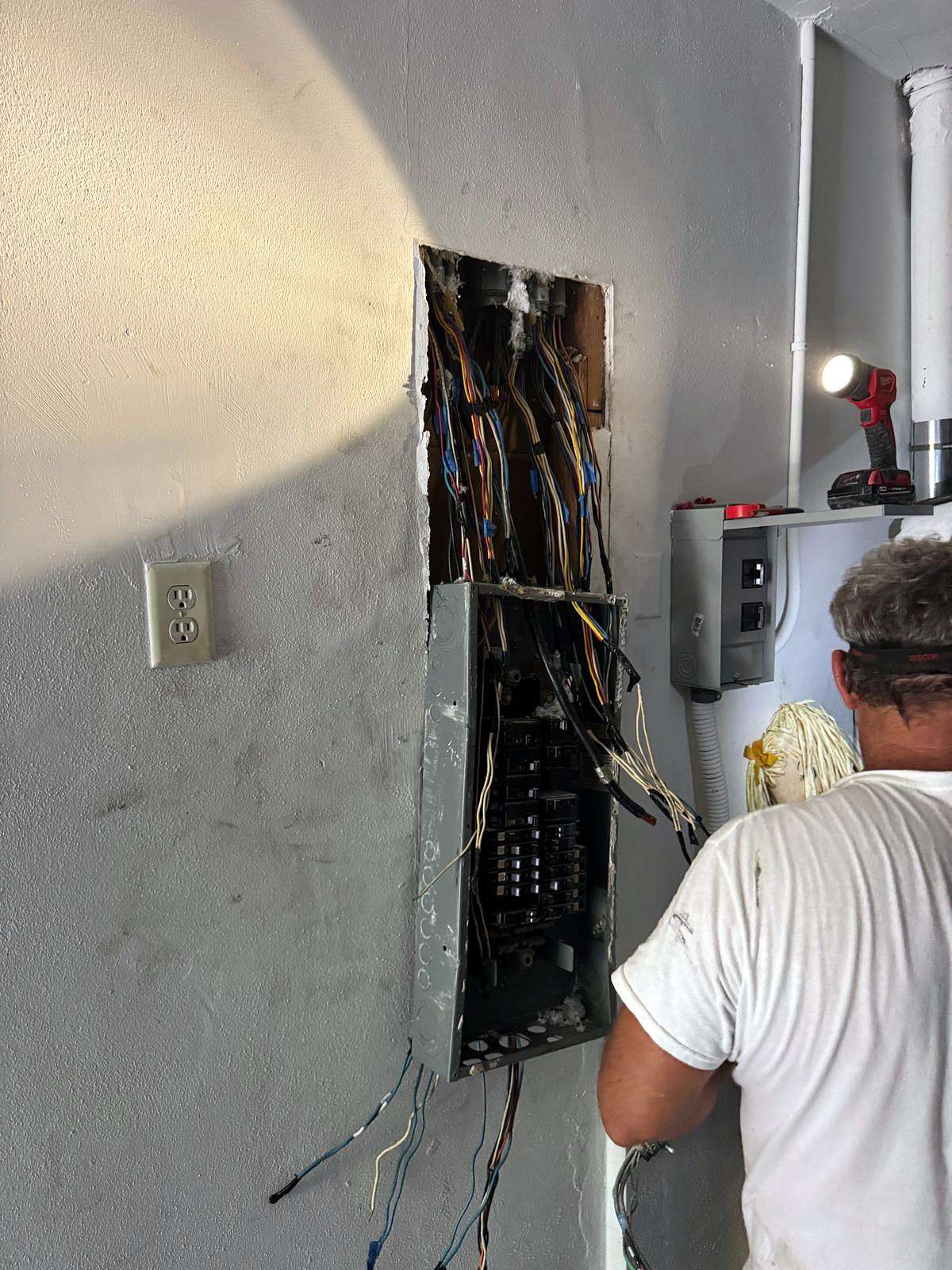
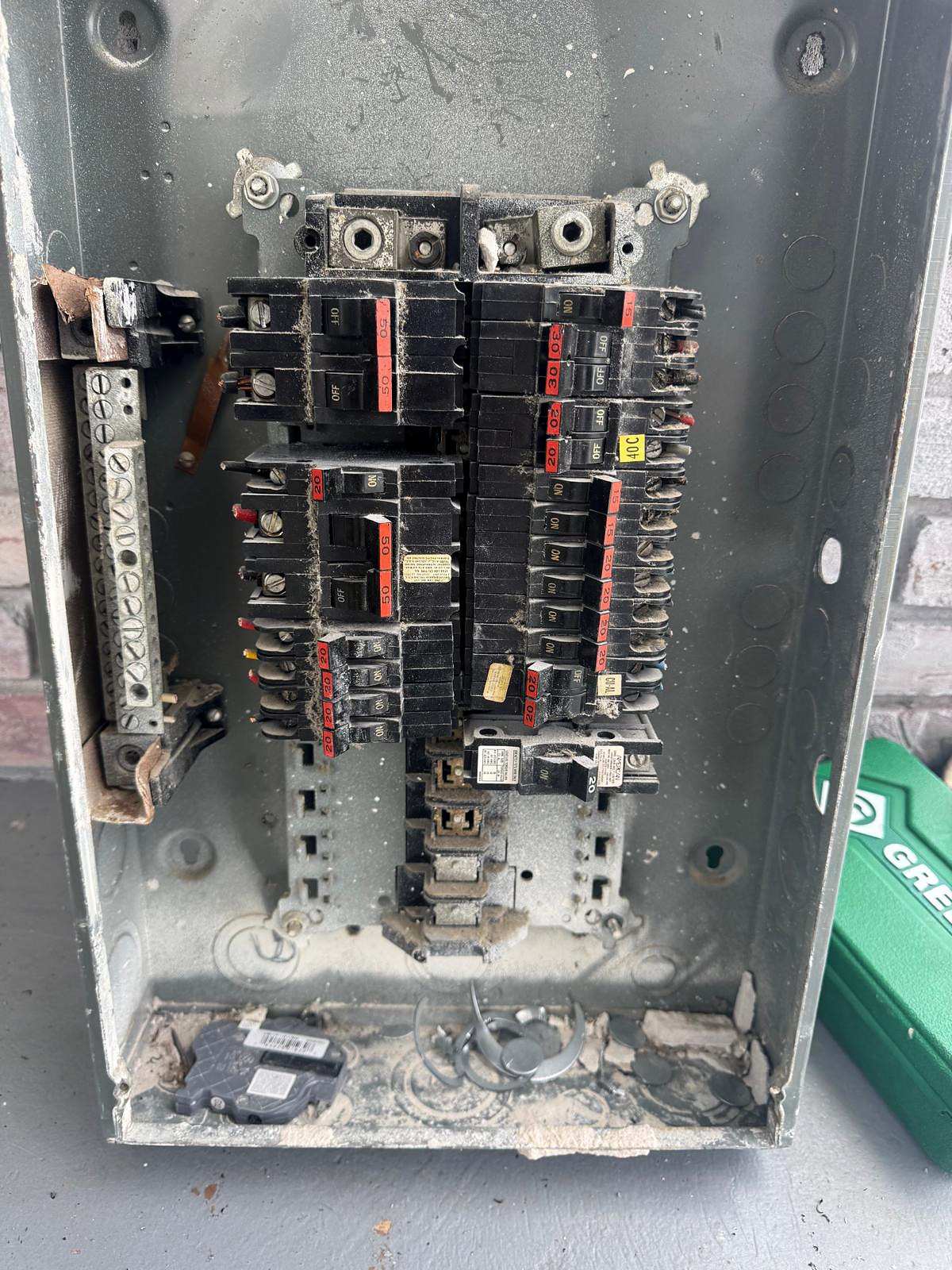
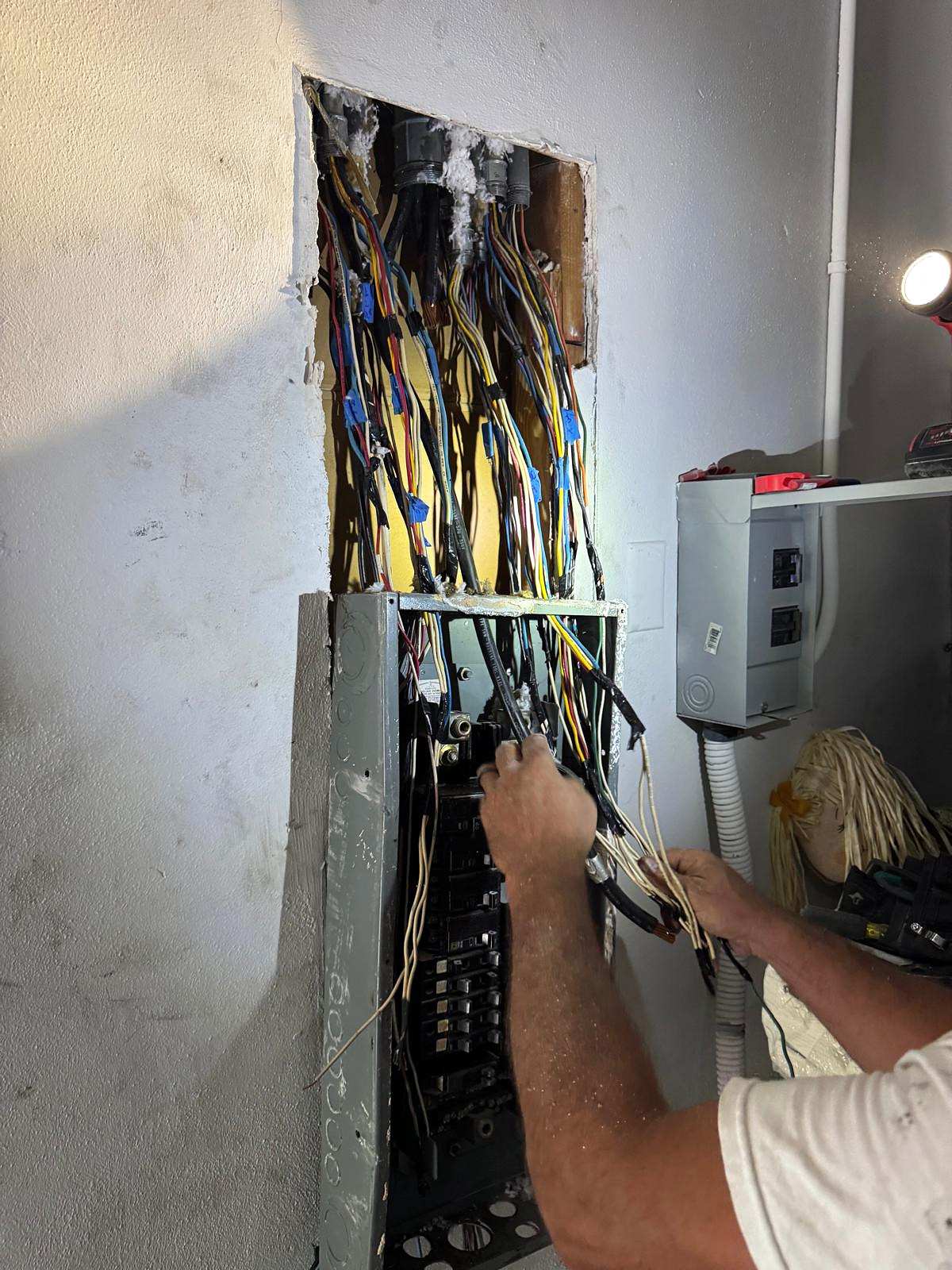
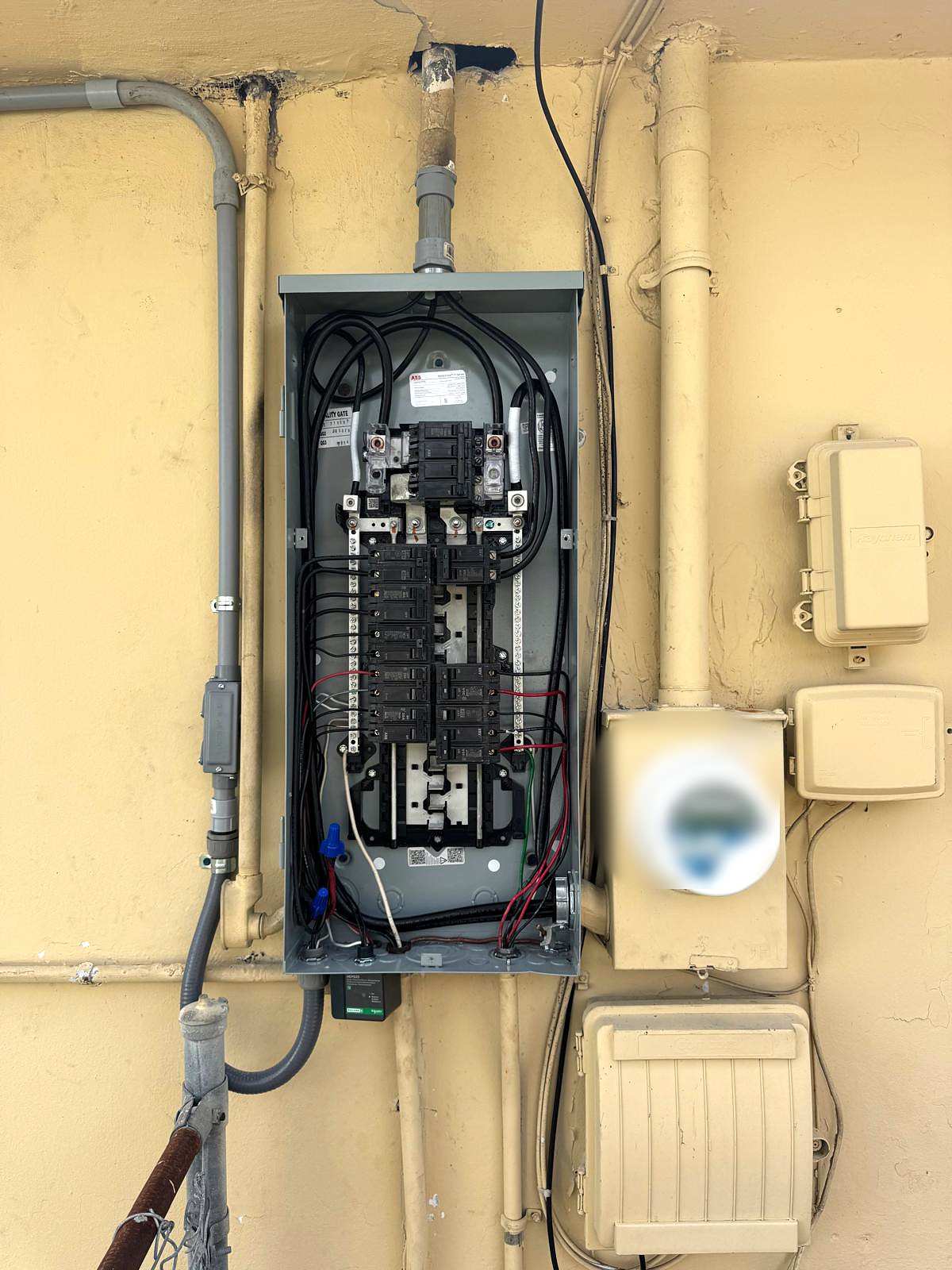
Older homes. Ungrounded two prong outlets, undersized circuits, fuses and outdated panels show up again and again in repair calls. When a repair points to a bigger problem, we tell you, and a panel upgrade may be the lasting fix.
How we troubleshoot
Good repair work is careful detective work. We ask what happened and when, test the circuit, check connections at each point, and narrow it down until we find the cause. Then we explain what we found and what we recommend, and we fix it with the right parts.
After a storm
Hurricane season runs June 1 to November 30, and summer storms bring lightning and flooding of their own. After a storm:
- Stay away from downed power lines and report them to your utility.
- Do not turn on or plug in anything that has been under water.
- Keep the power off to any panel, outlet or circuit that got wet until an electrician checks it.
For the full list, see our hurricane season electrical safety checklist.
A family business that picks up the phone
Reef Electrical is family owned and run by Ryan Bye, with 26 years in the trade, and his father, Richard. We are licensed and insured, all of our work is guaranteed, and seniors and military get 15% off. For an emergency, call the number for your county any time. For anything else, request service.